





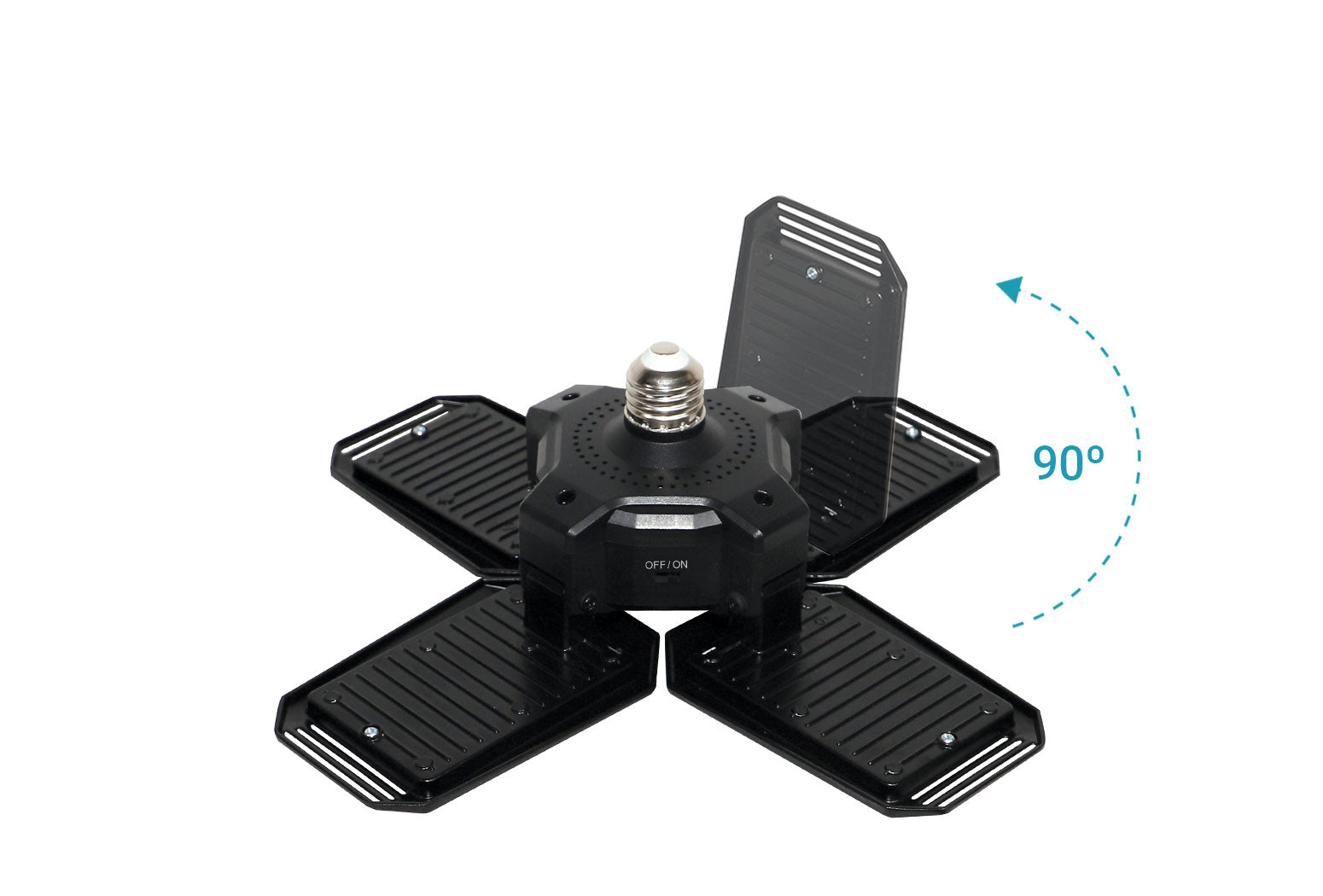
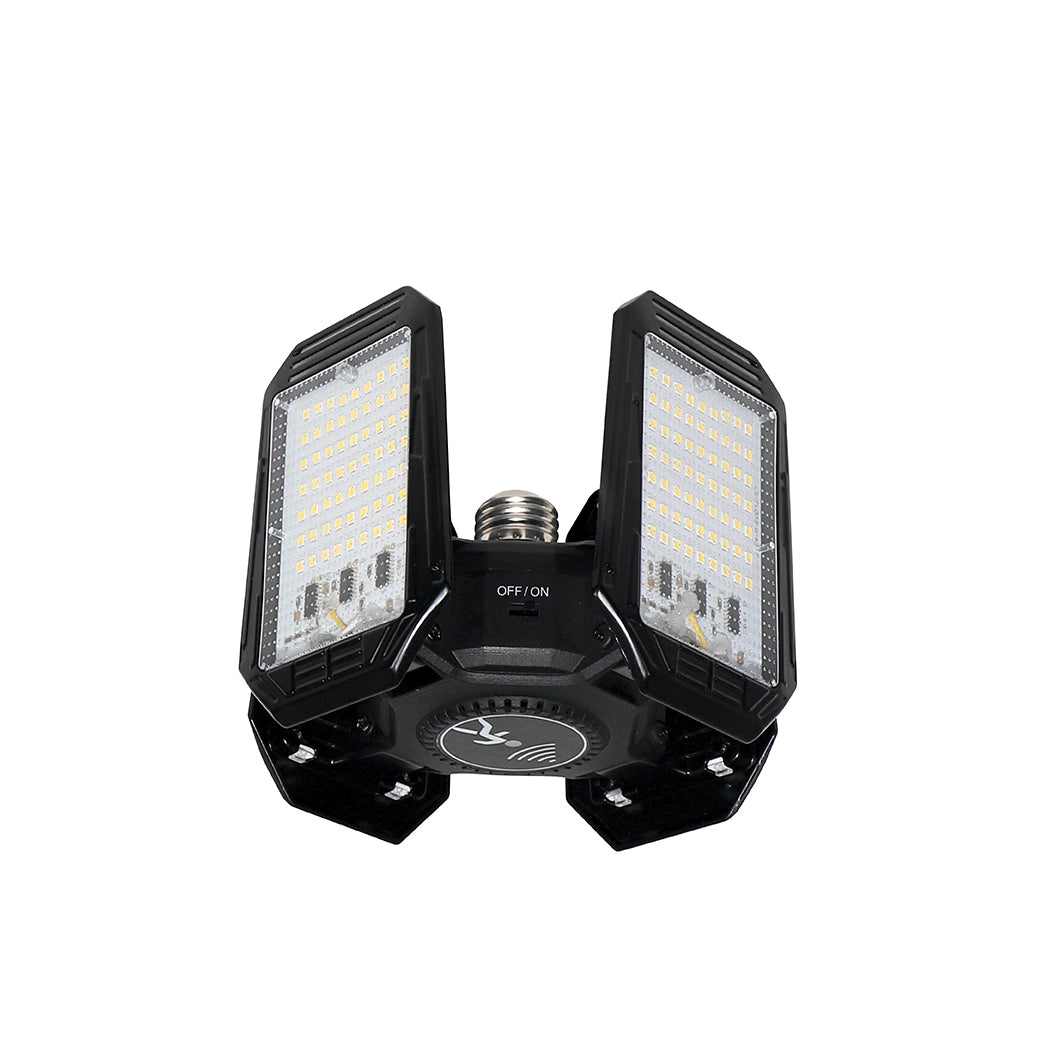
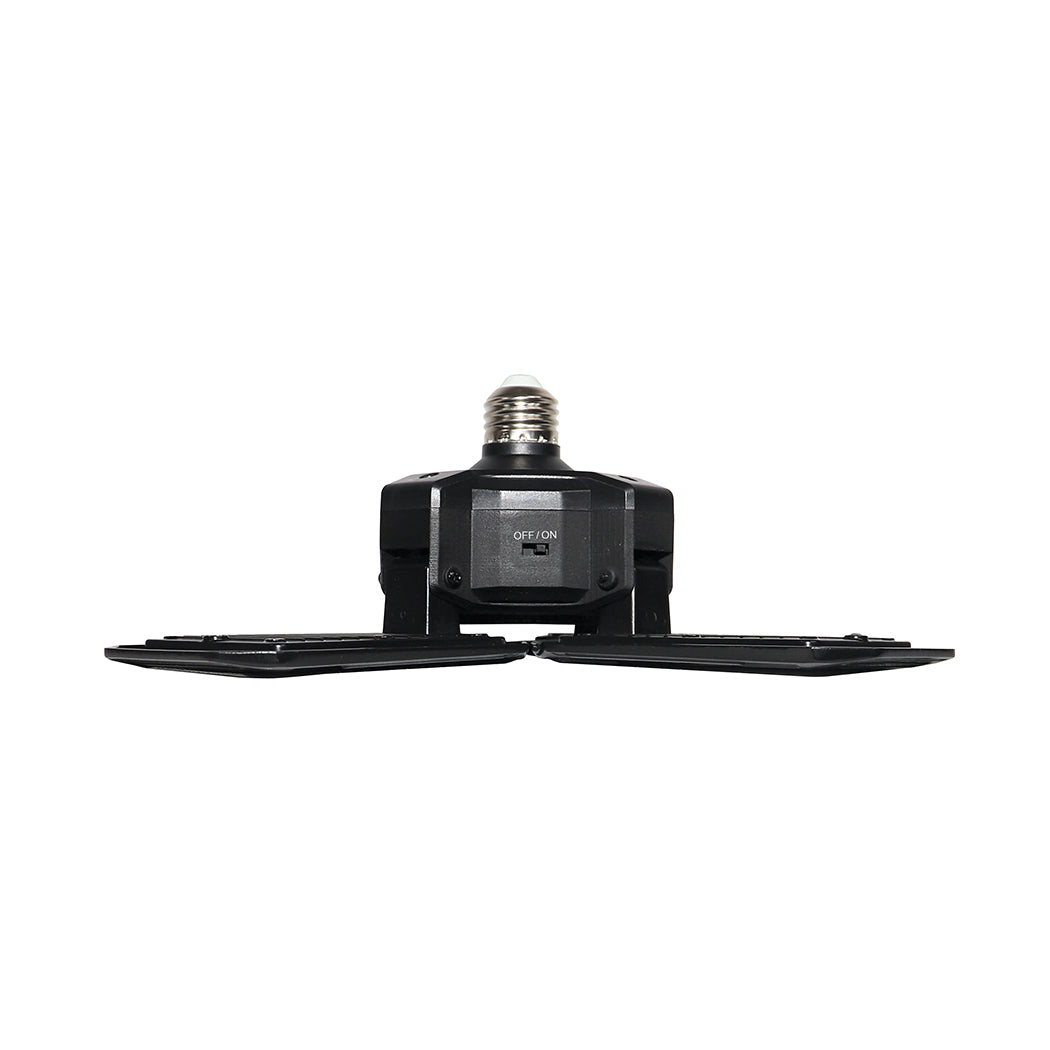
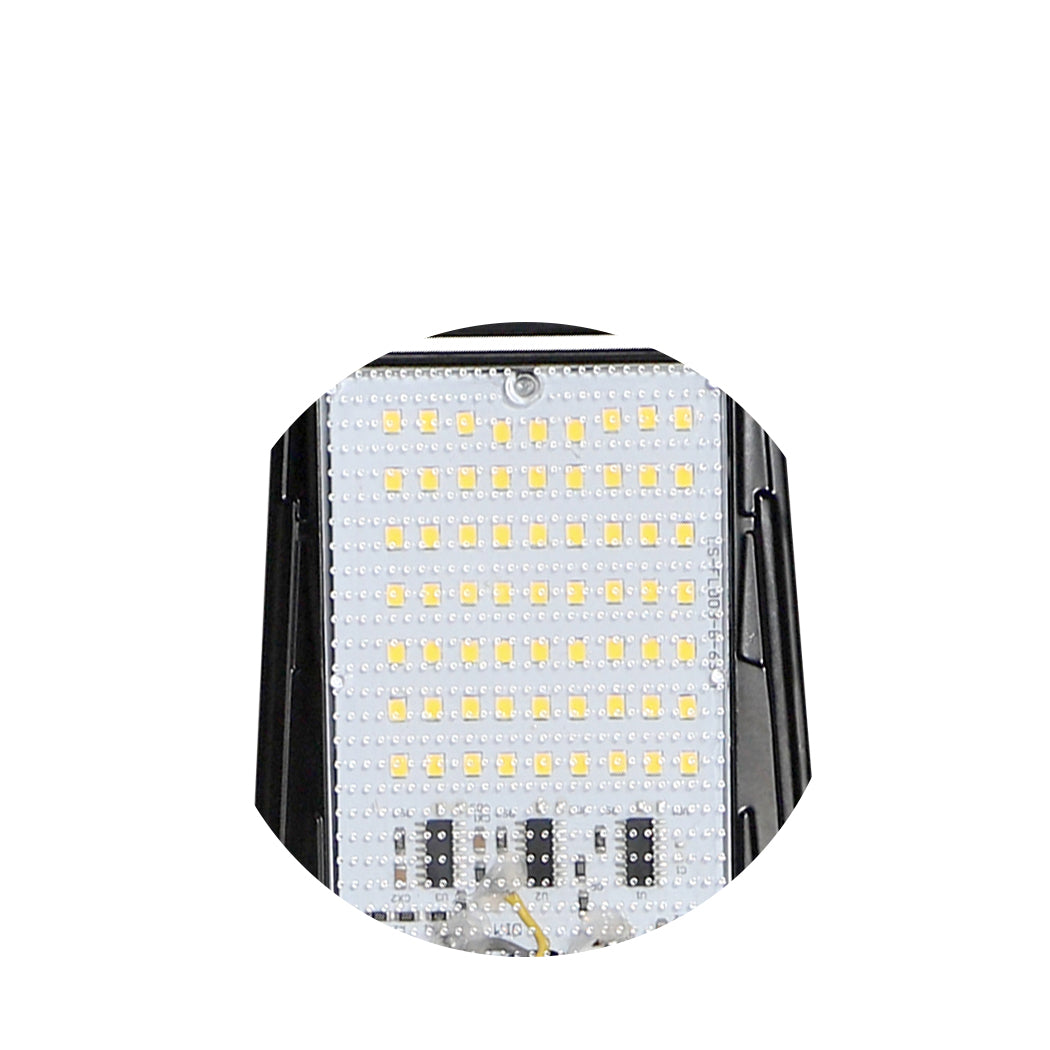
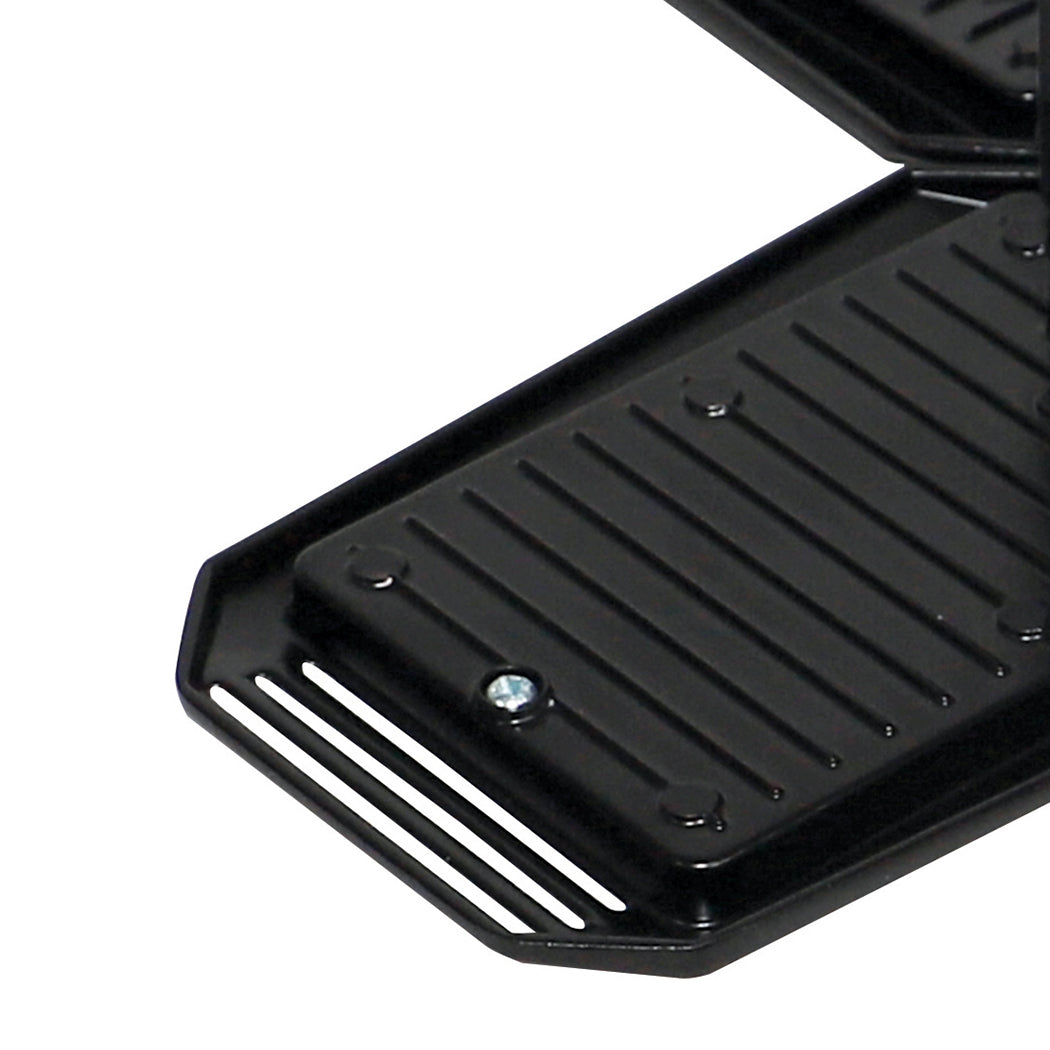
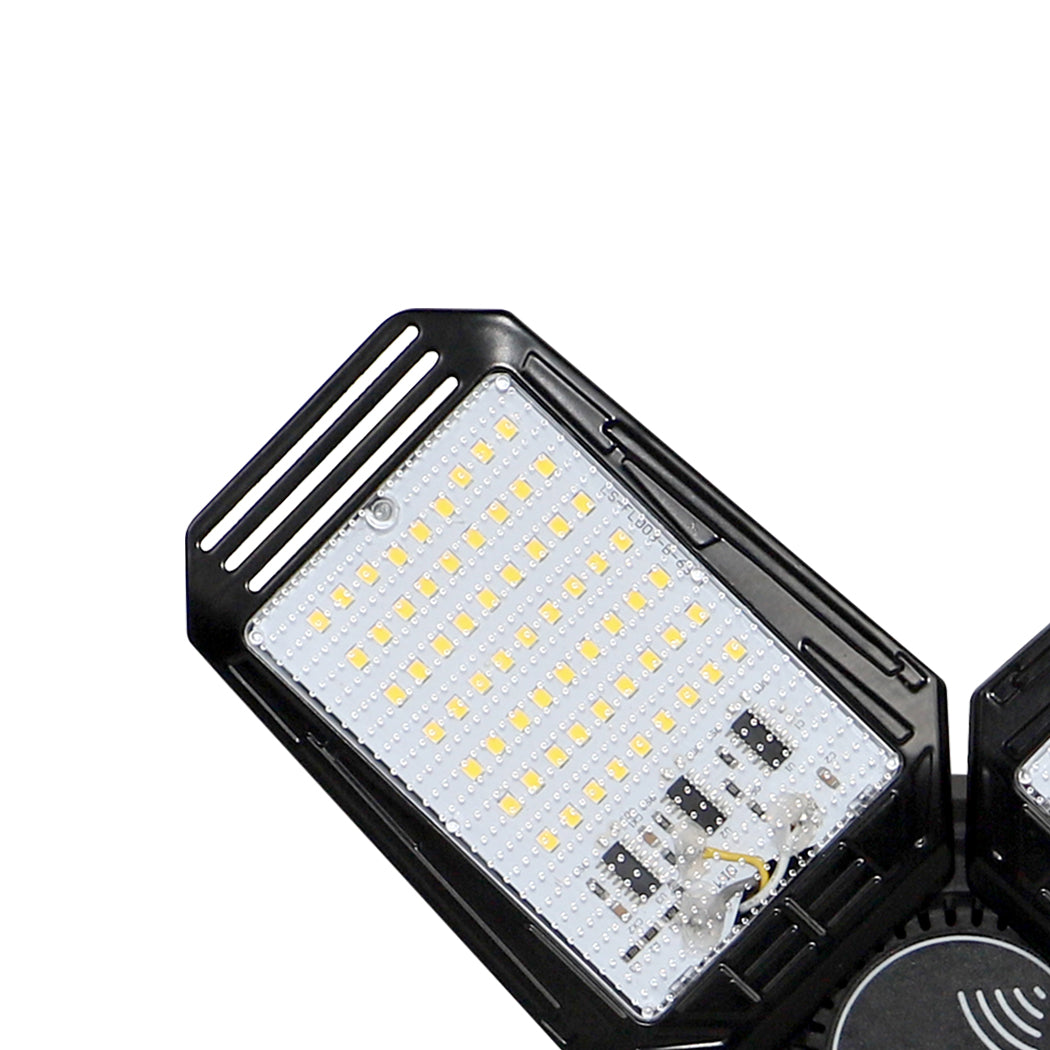

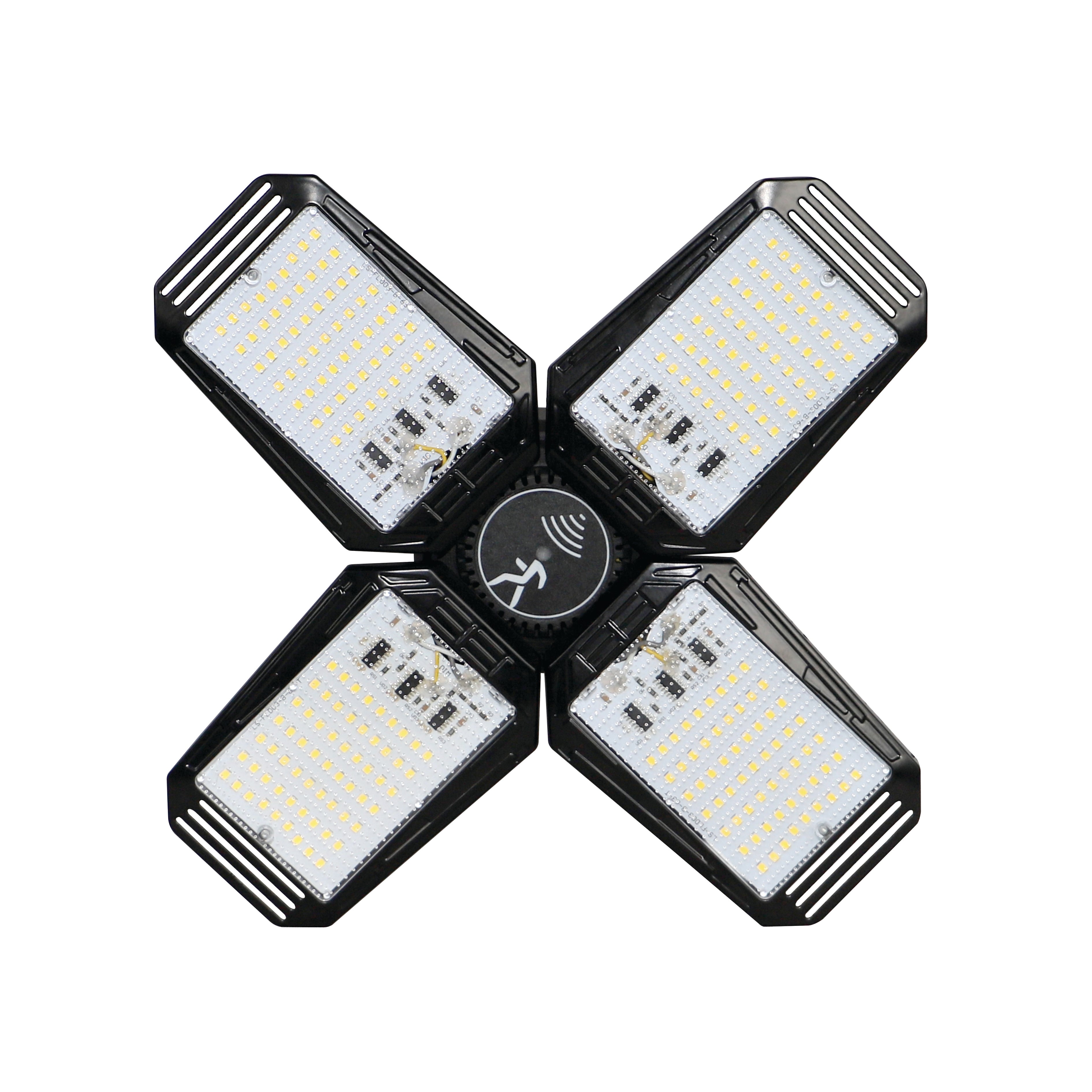
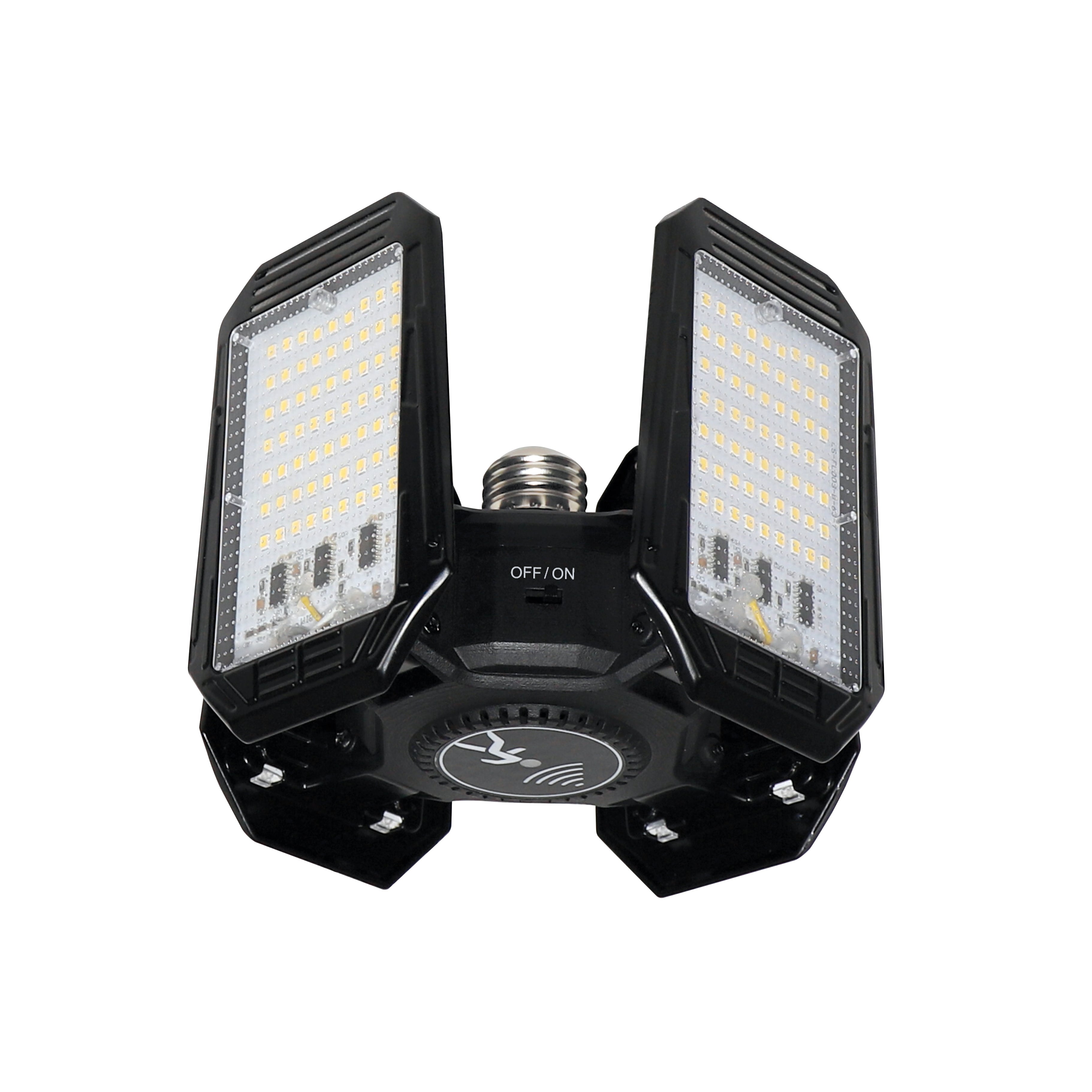
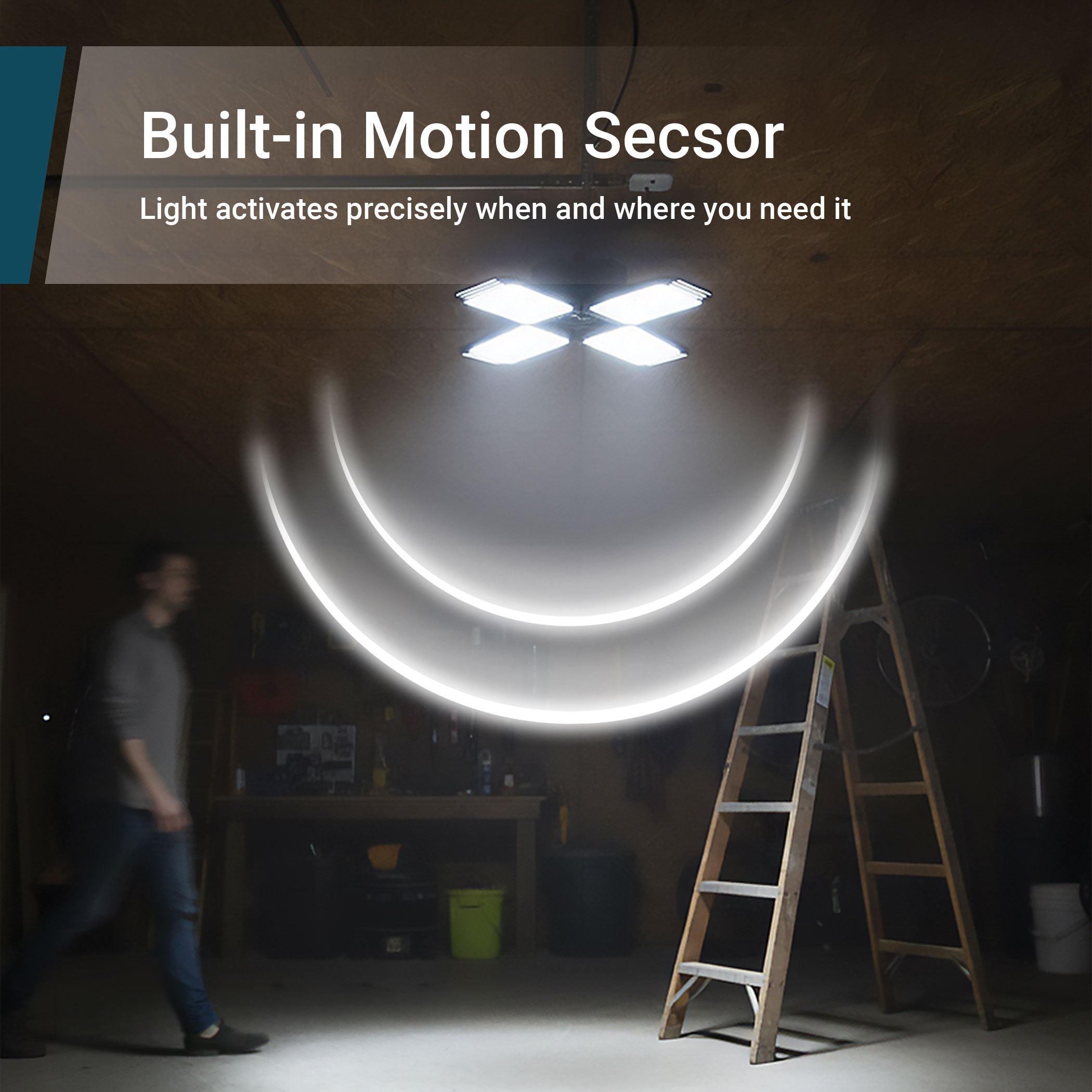
More sensitive motion light
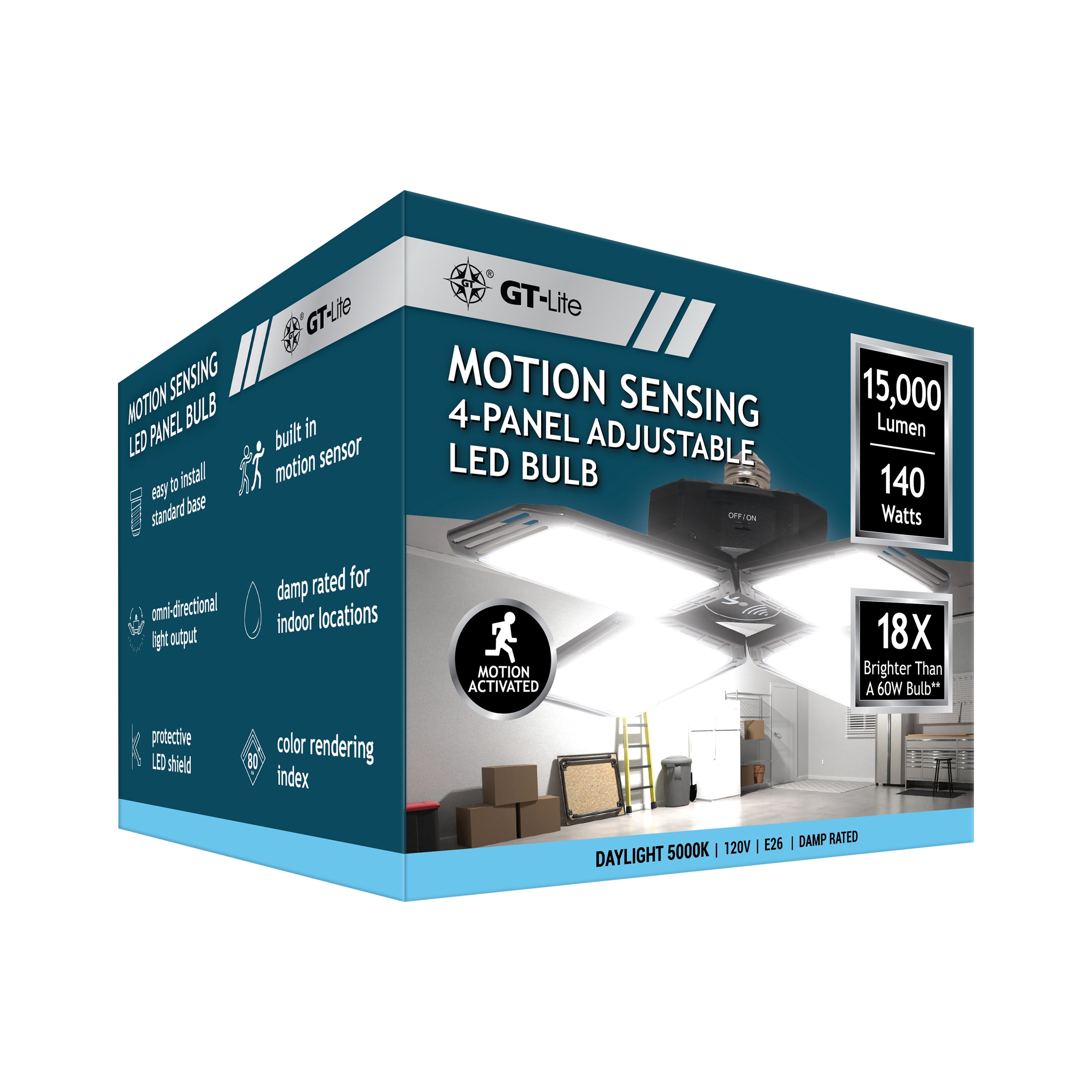
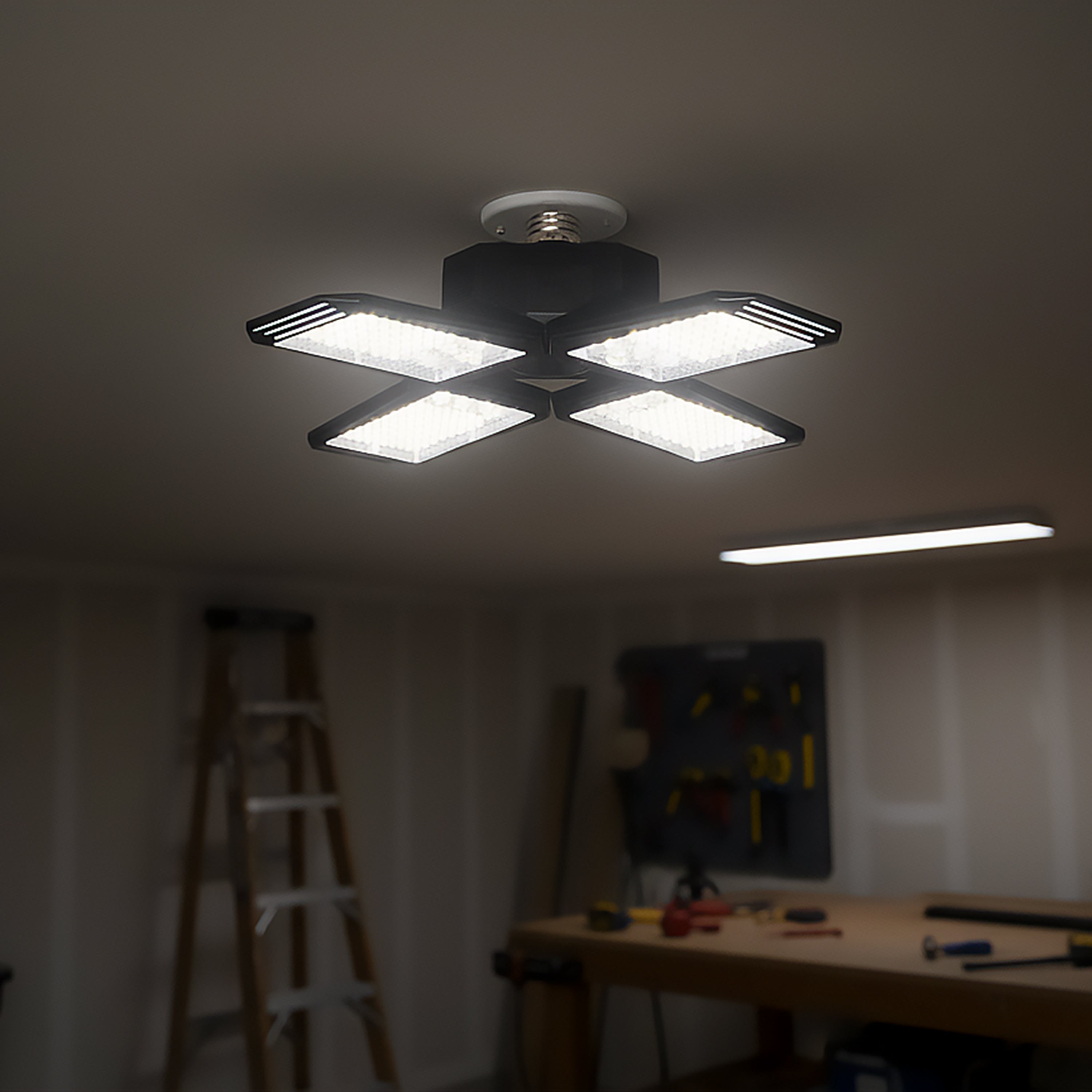
Save an Extra 5% on 8-Pack
Extra 3% off on purchases $500 or more
Extra 5% off on purchases $1,000 or more
Extra 8% off on purchases $2,000 or more
Extra 12% off on purchases $5,000 or more
Extra 20% off on purchases $10,000 or more

• FREE US Shipping on orders above $100
• 30 days money back guarantee
• Manufacturer's warranty
• US based customer support
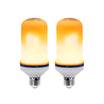
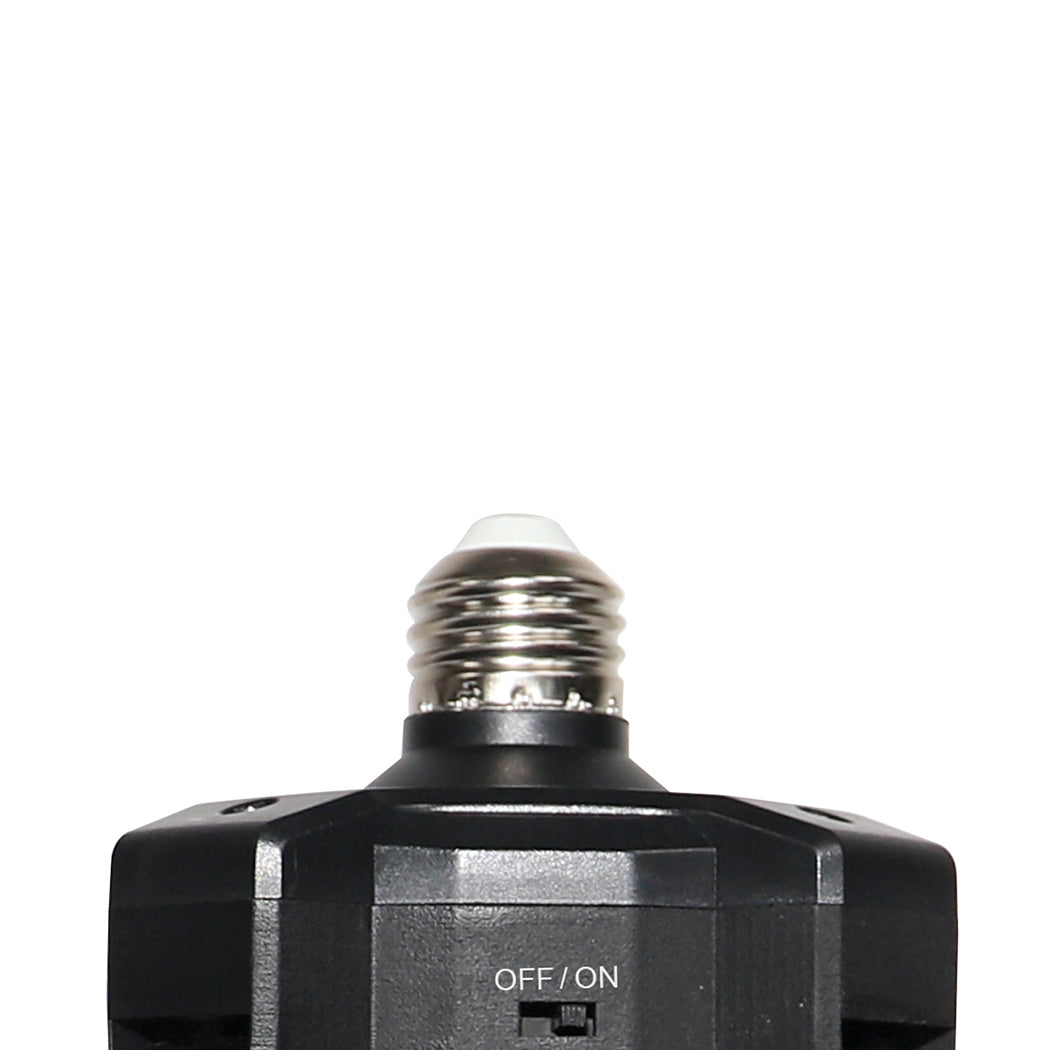
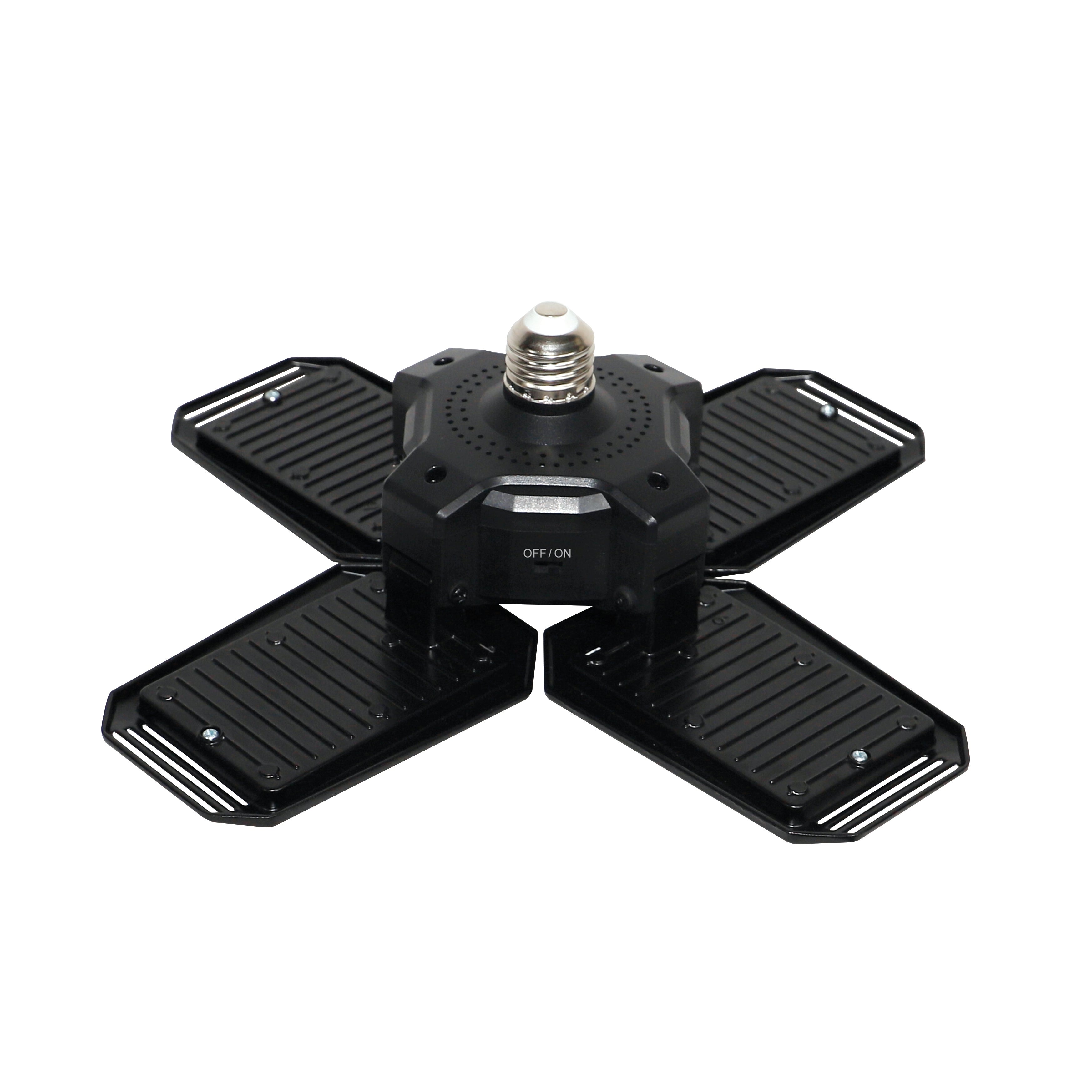
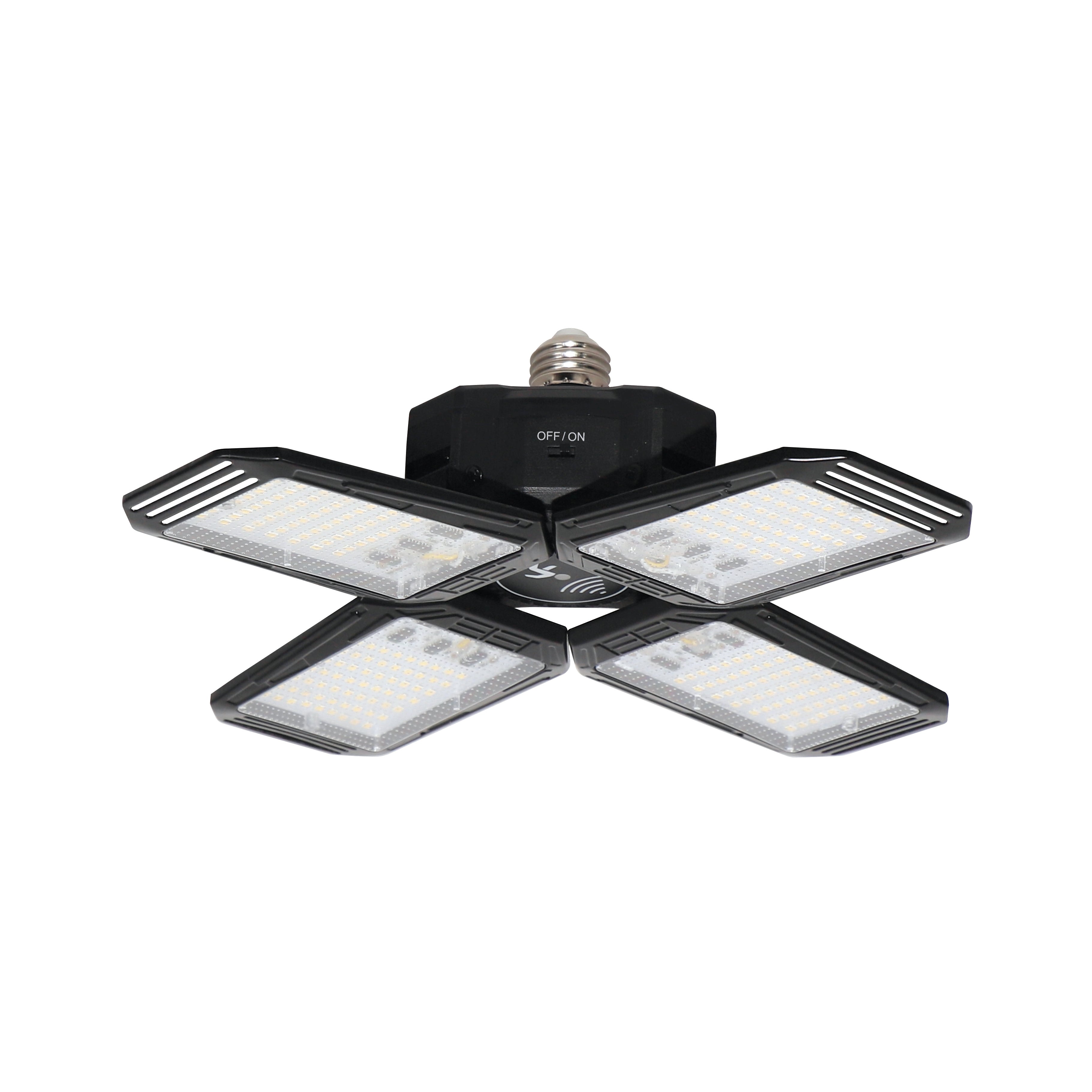
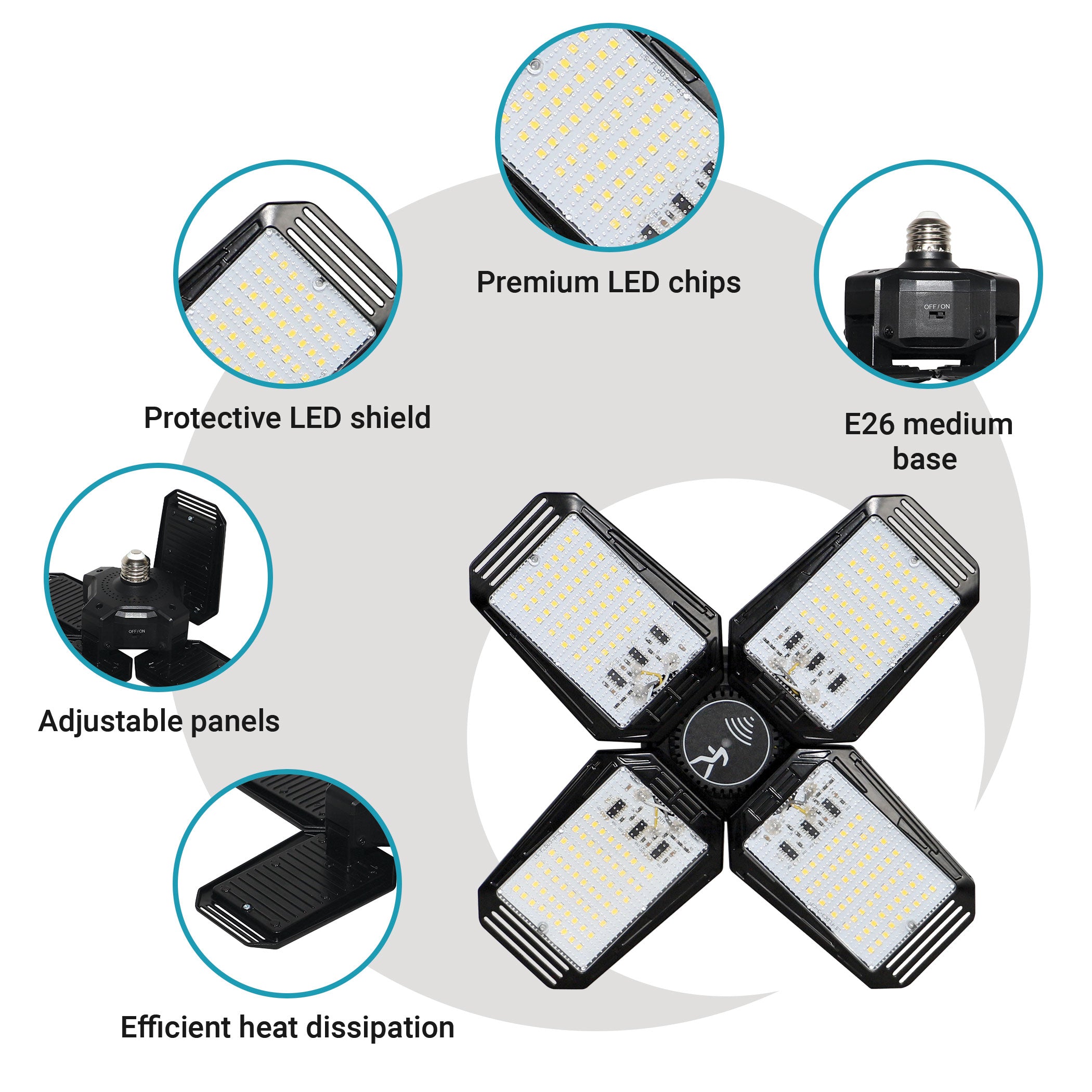
E26 medium base
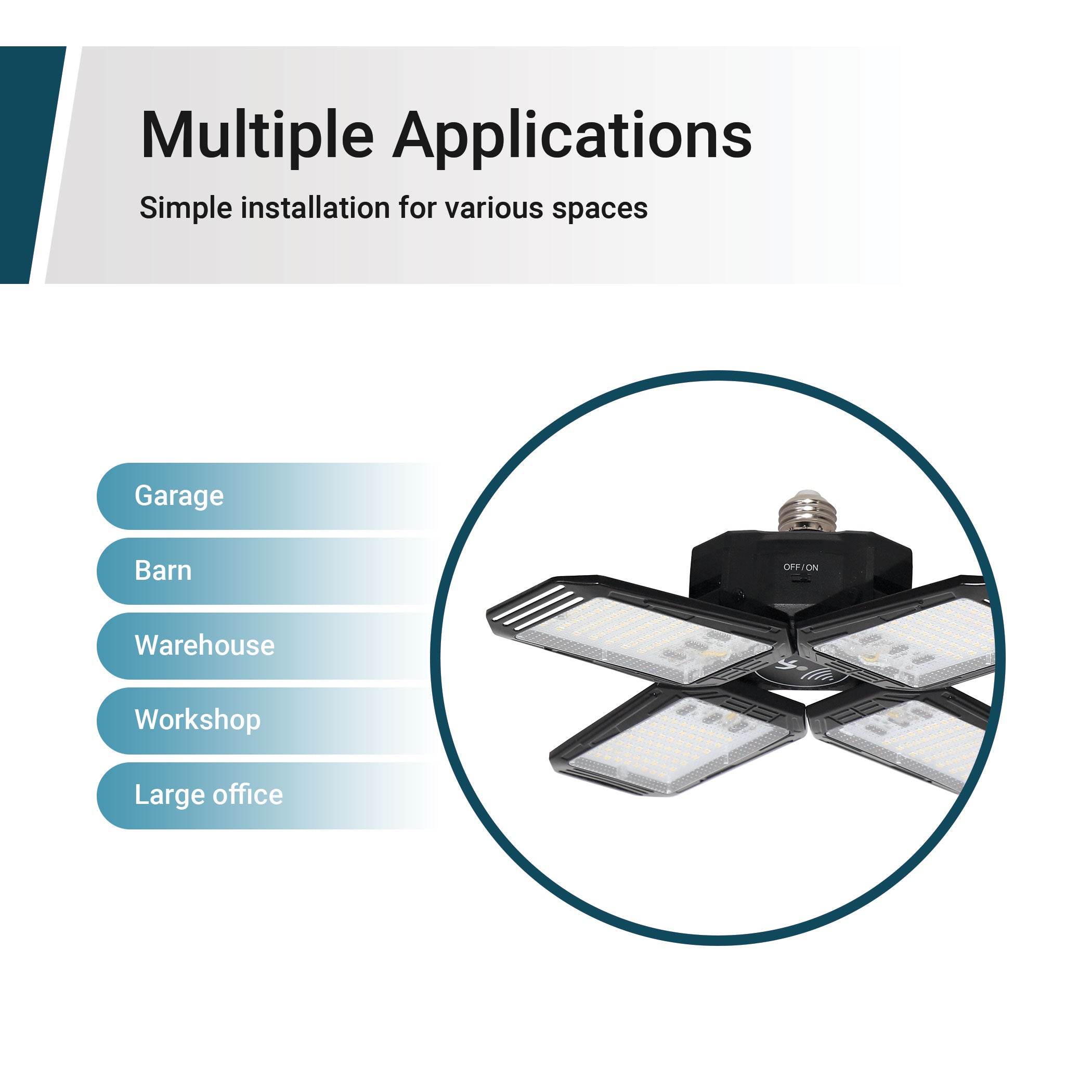
Multiple Applications


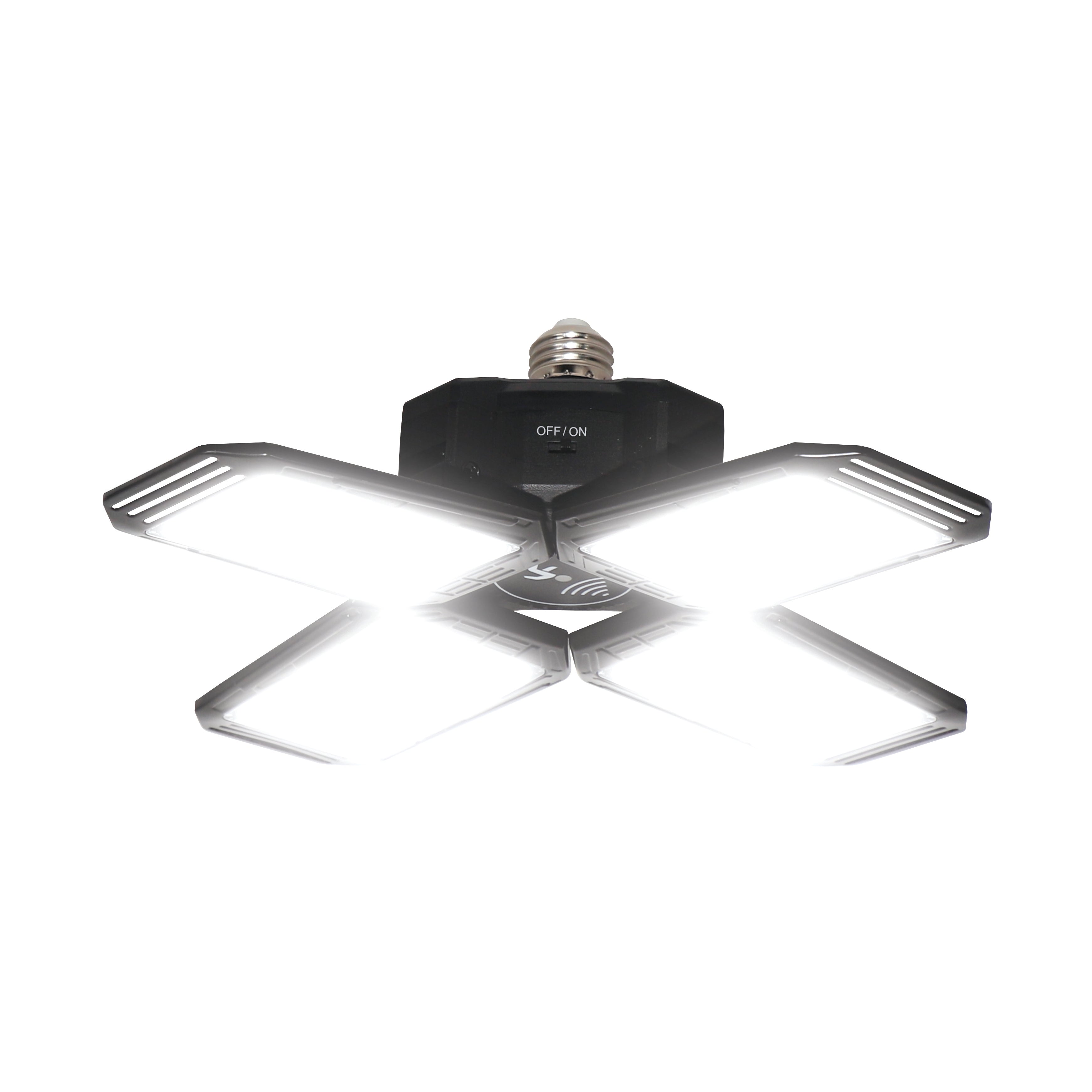
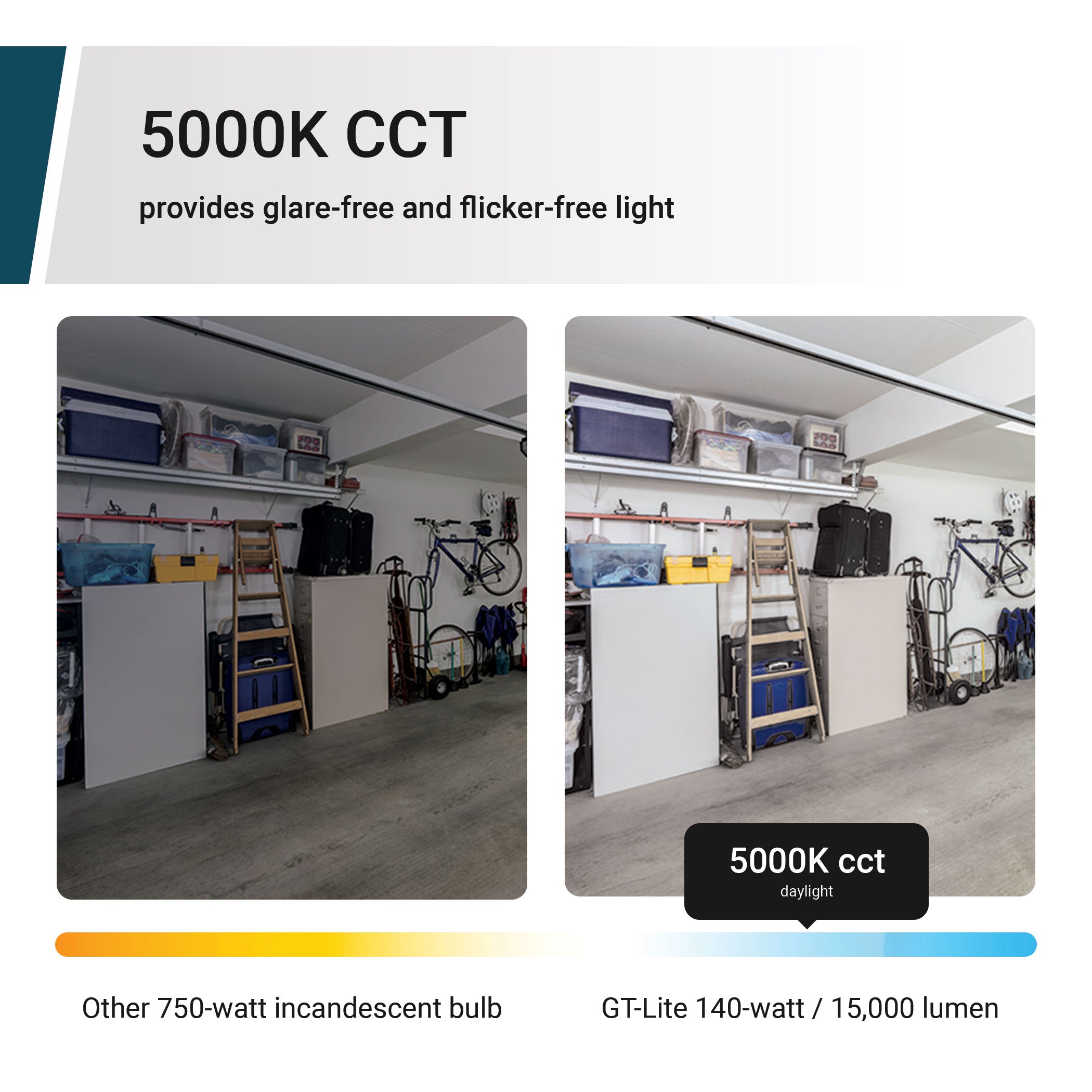
5000K bright daylight white
Slide to see the difference
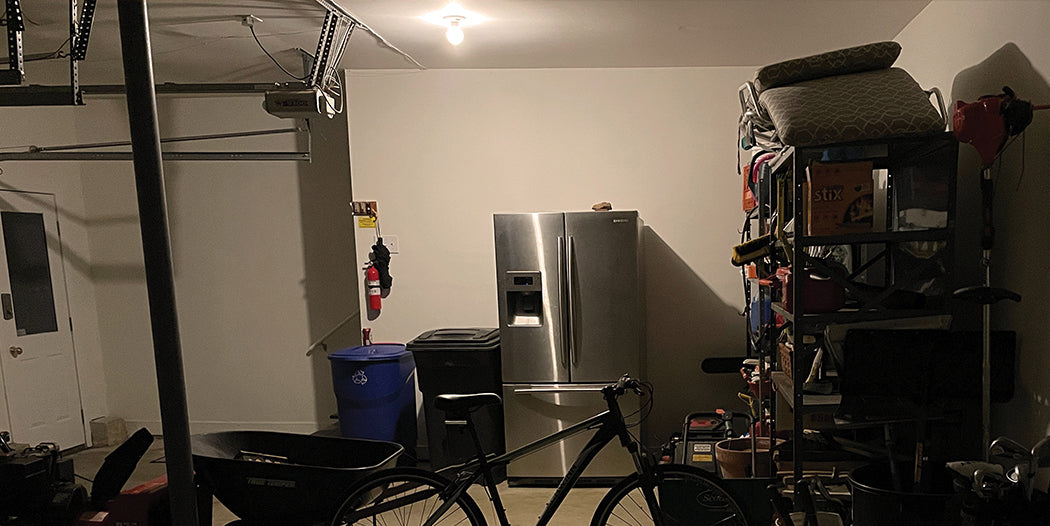
Others
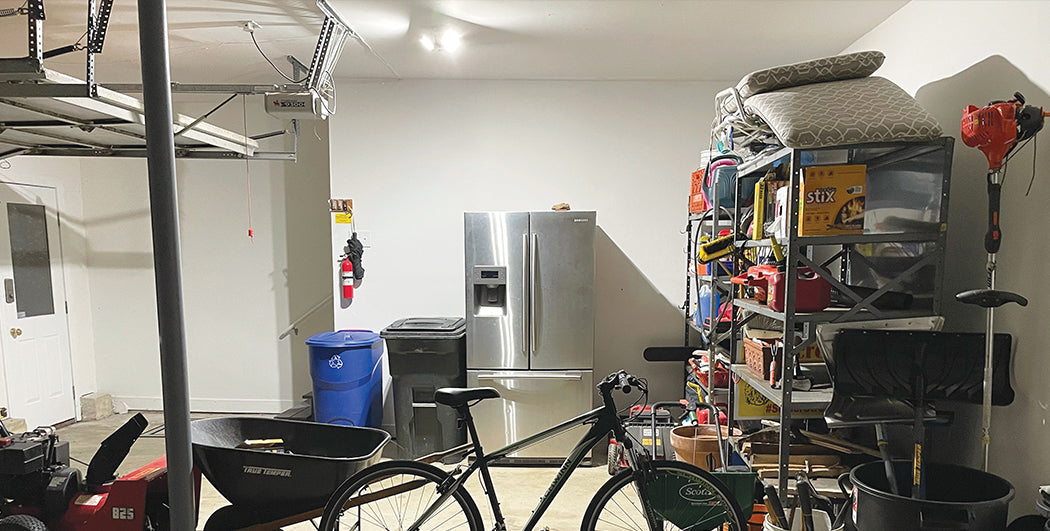
GT-Lite LED Light
Product compare
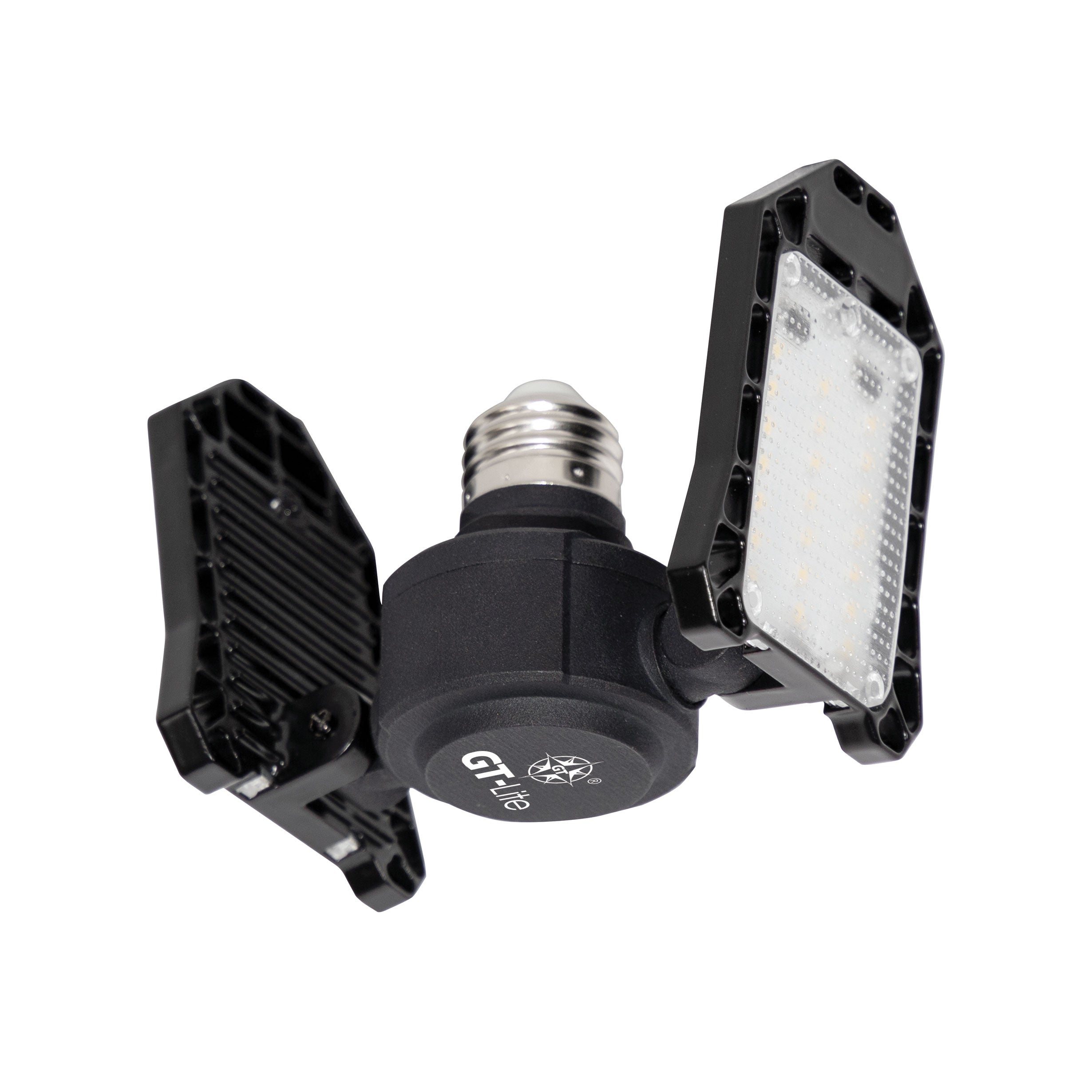
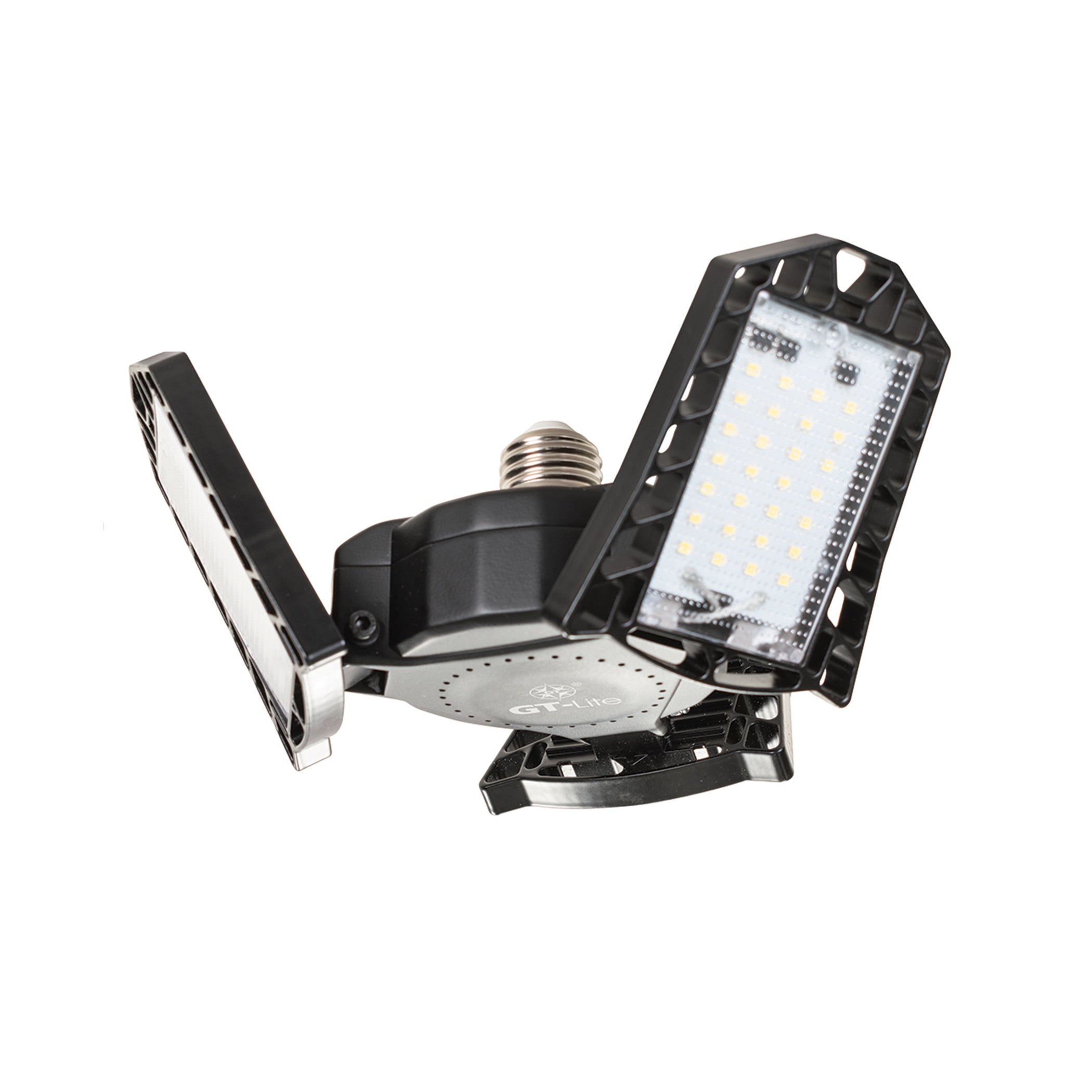
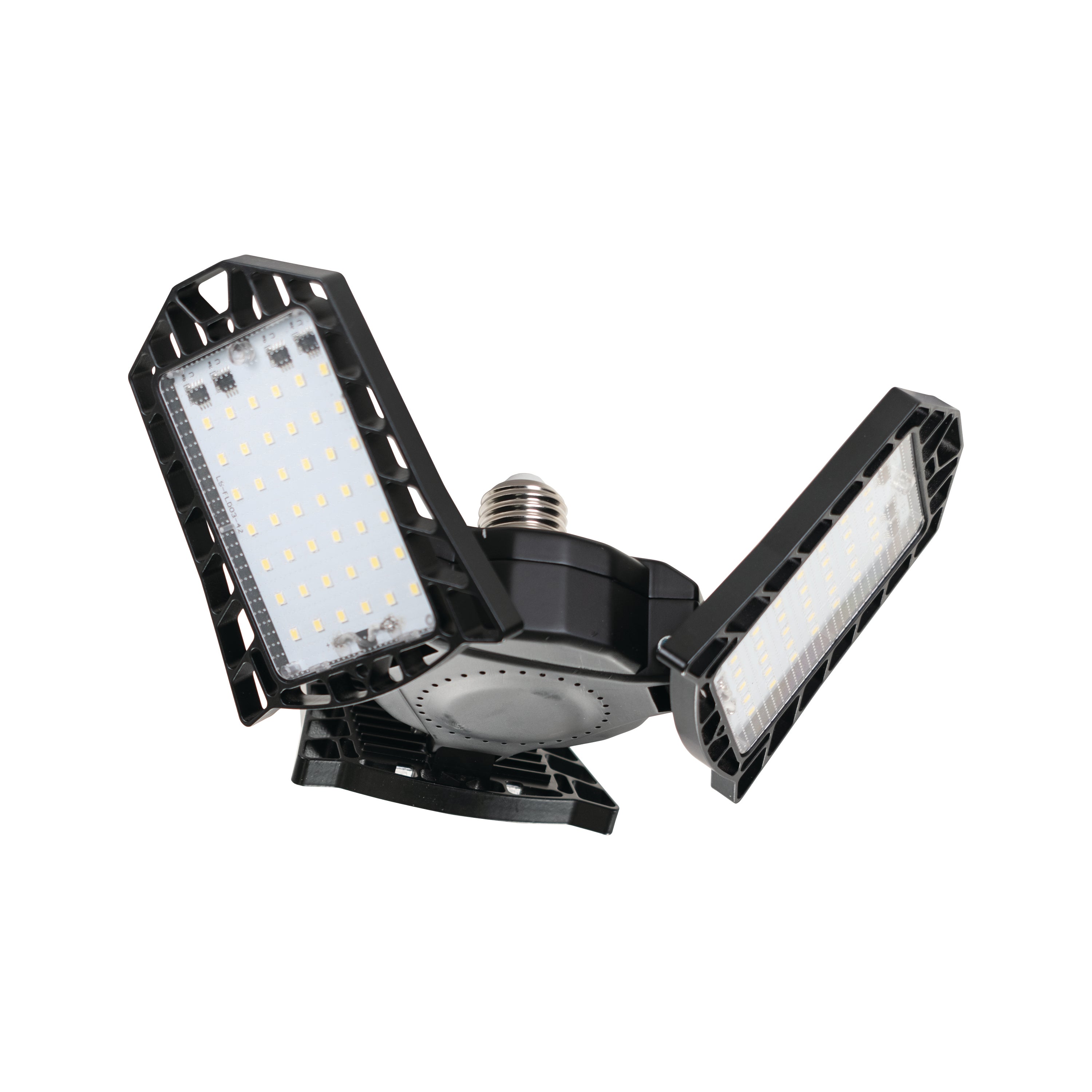
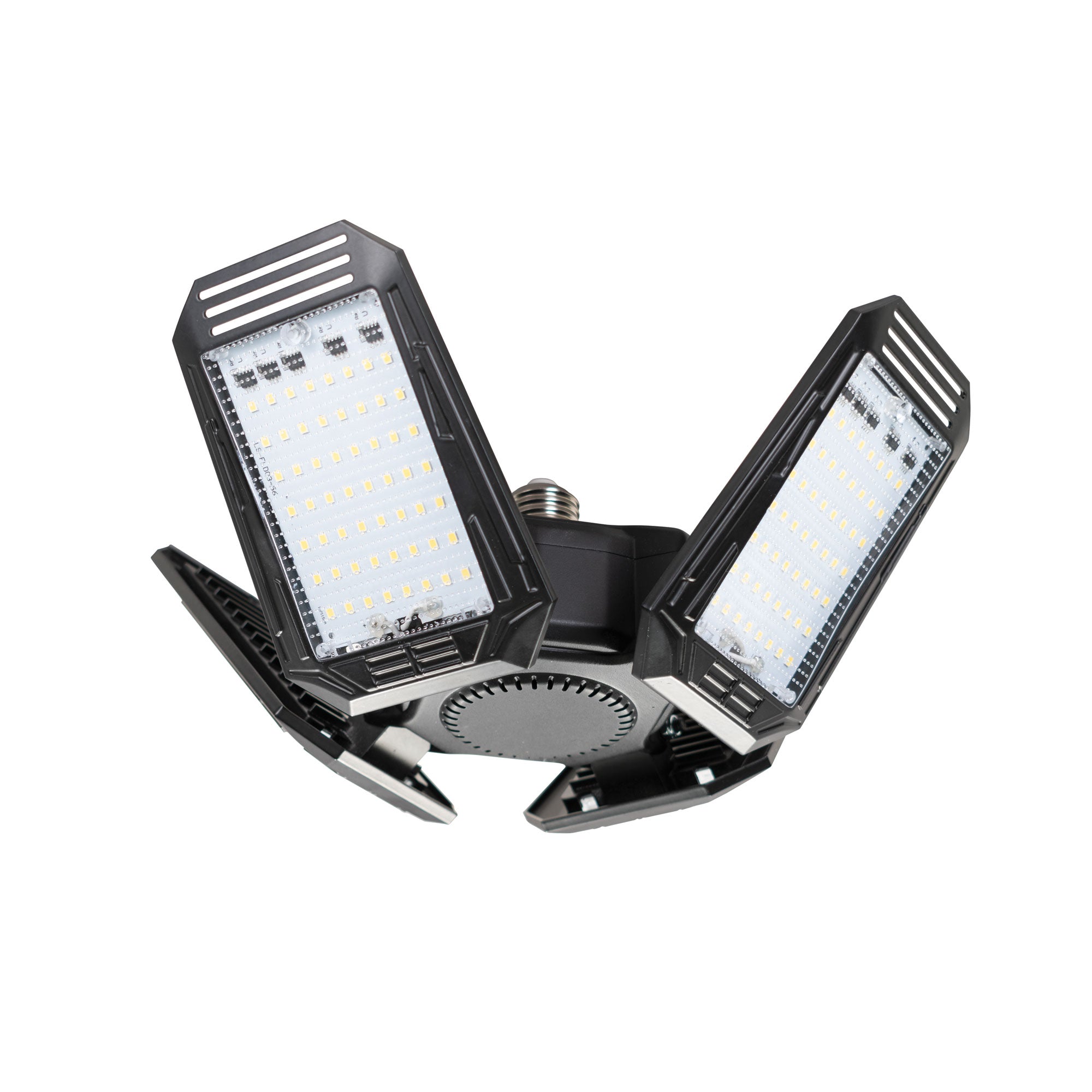
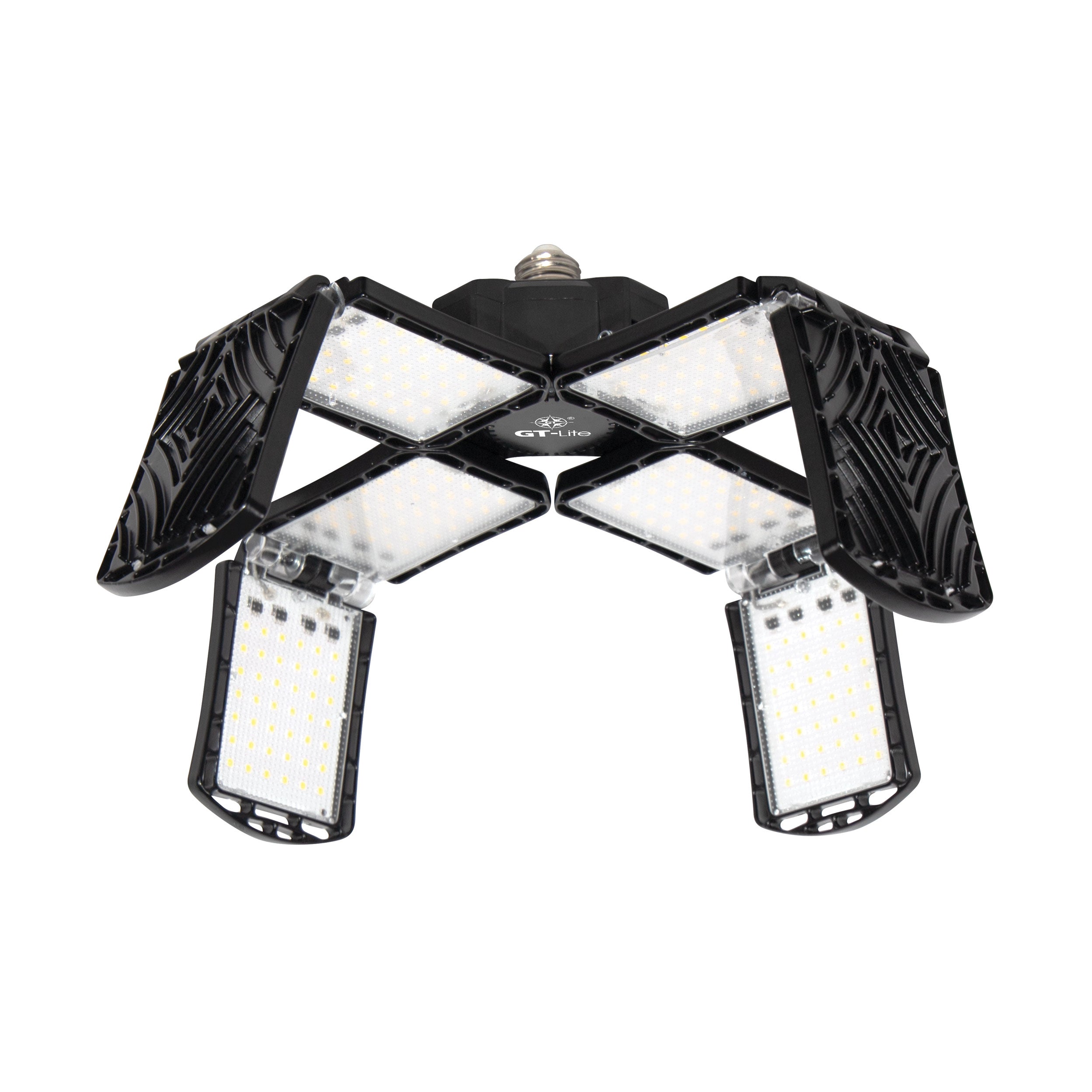
3000 lumen
6000 lumen
10,000 lumen
15,000 lumen
20,000 lumen
30 watts
60 watts
90 watts
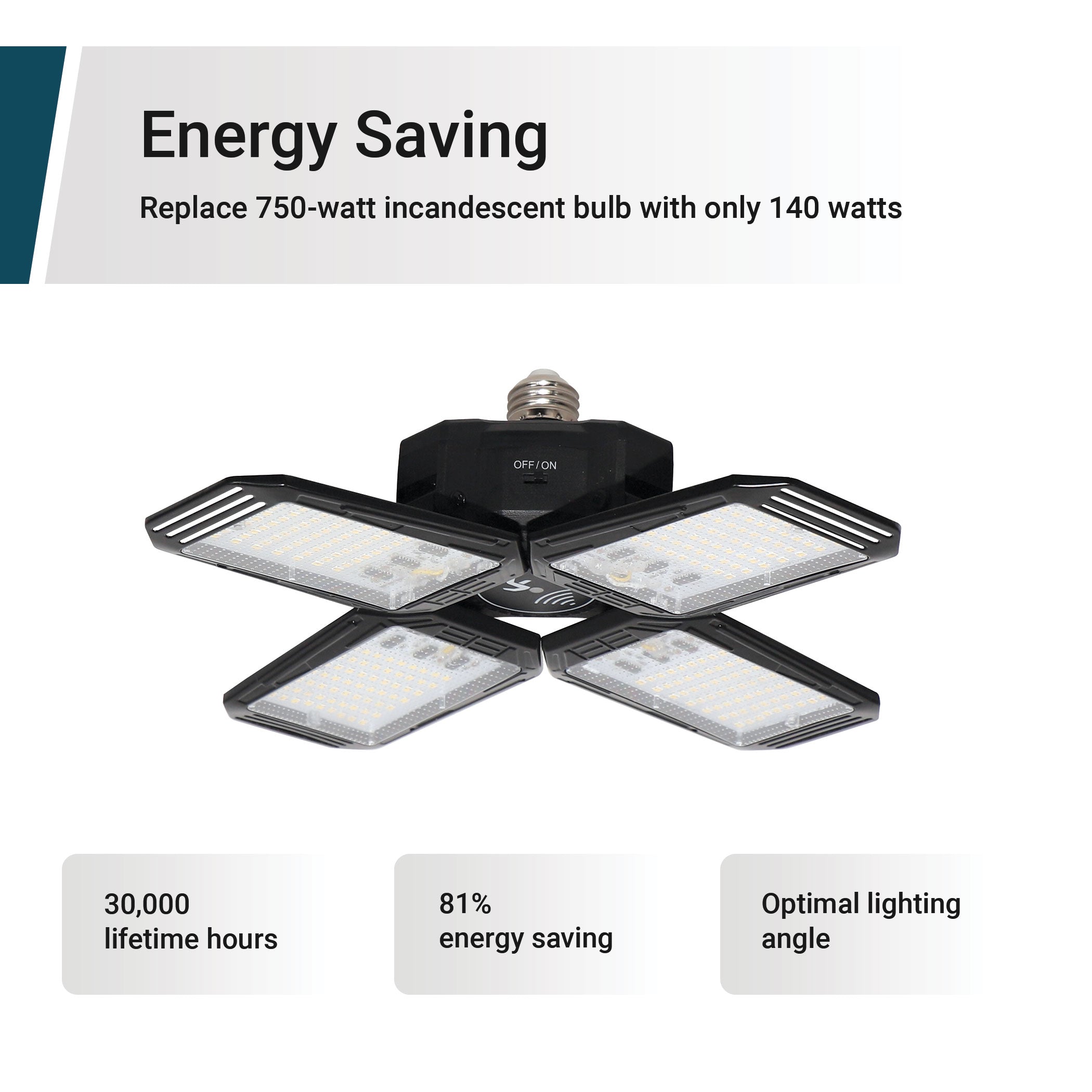
140 watts
200 watts
150-watt incandescent bulb
300-watt incandescent bulb
500-watt incandescent bulb
750-watt incandescent bulb
1000-watt incandescent bulb
2 adjustable panels
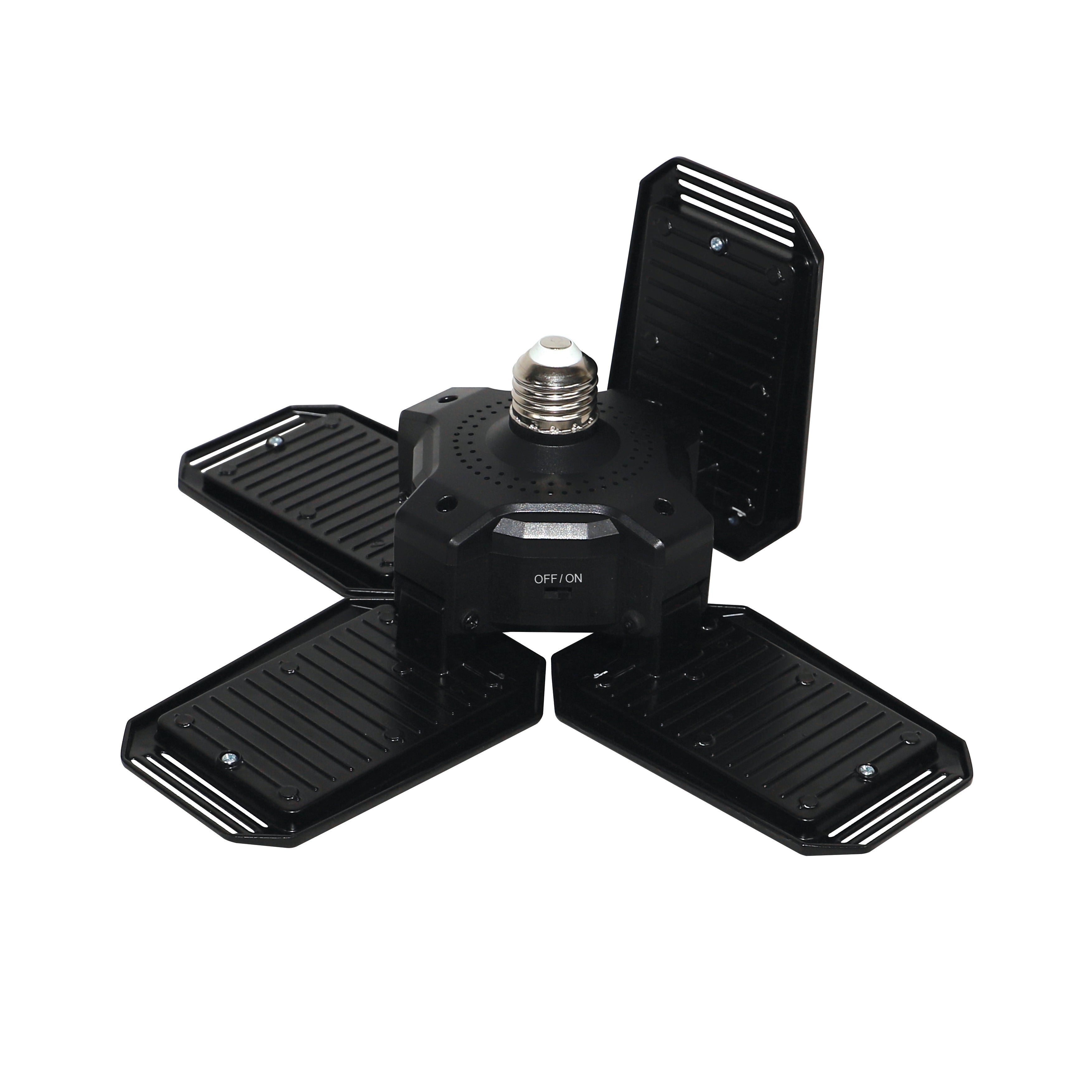
3 adjustable panels
3 adjustable panels
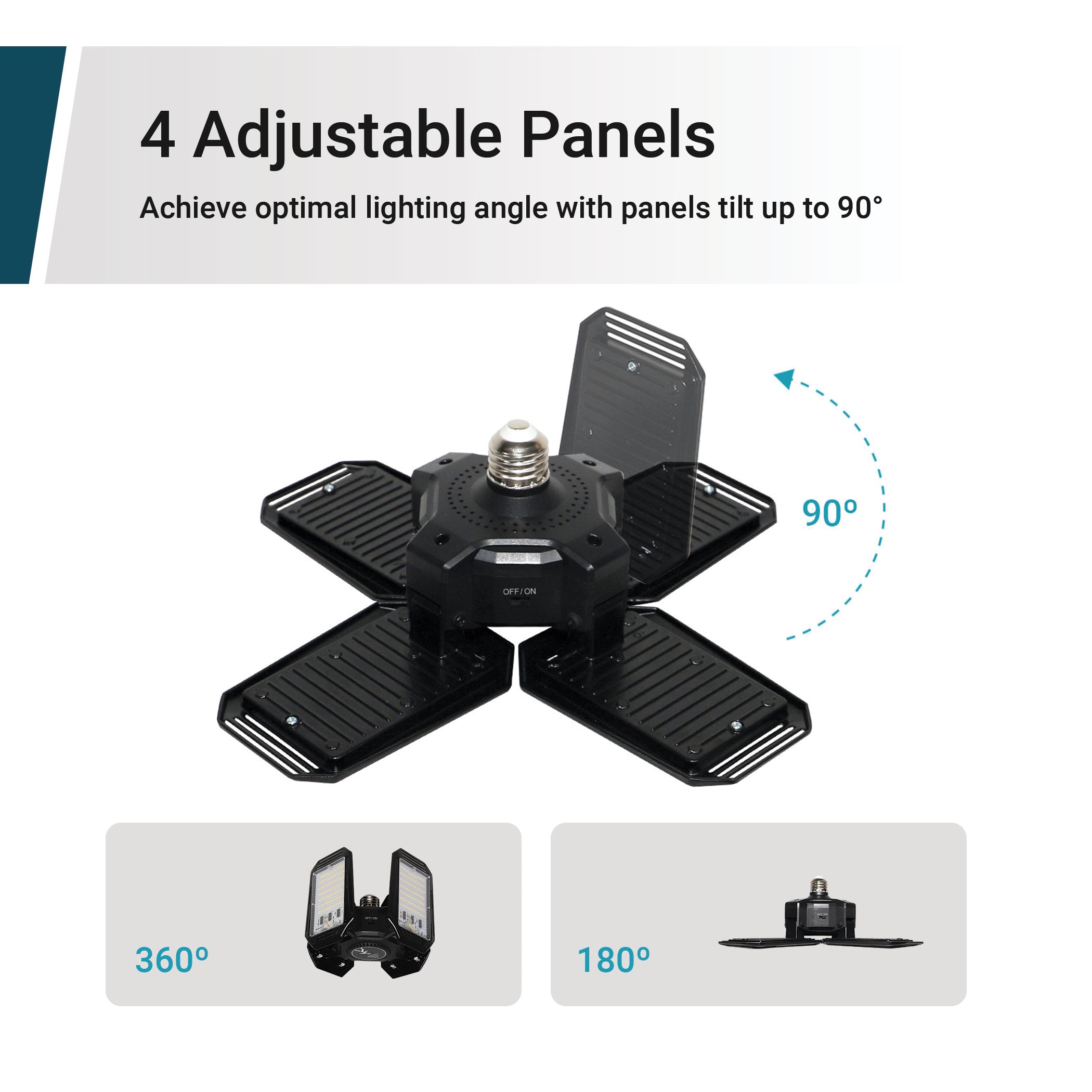
4 adjustable panels
8 adjustable panels
√
√
√
√
√
This product is rated 5.0 of 5.0 stars.
It has received 1 review.
Overall rating: 5.0 / 5 from 1 reviews.
More sensitive motion light
Yes, simply screw in the E26 medium base into your standard light fixture. It is the same as a traditional A19 light bulb.
Each space is different, depending on your ceiling height, number of light fixtures and location on the ceiling/spacing, the type of project you are trying to complete, and many more factors. As a very broad guide, you would want: between 2,500-5,000 lumen for a 1-car garage with 10ft ceilings, between 5,000-10,000 lumen for a 2-car garage with 10ft ceilings; above 10,000 lumens for a 3-car garage or any space with ceilings 12 ft and higher.
No, our panel bulbs are not compatible with dimmer switches. Using these bulbs with any sort of dimmer will void the warranty.
Yes, our panel bulbs are compatible with photocell/motion sensors rated at least 150W.
No, the ballast must be bypassed if present.
While LED lights do put off significantly less heat when compared to incandescent and halogen style bulbs, high output folding bulbs will heat up over time. Any transformation of energy into light will create heat and our products are specifically designed to operate as efficiently as possible. Please be careful handling bulbs after prolonged use. While there is no fire danger they may still be hot to the touch for the first few minutes after being used for an extended period.
When you see a light bulb or light fixture’s lifespan estimated, you will see that estimation typically measured in hours. This doesn’t mean that once you turn a light on, the clock is ticking, and once you hit that number of hours, the bulb is instantly shut off. The lifespan of a bulb is a rating that estimates its total operational hours. In an ideal environment, the bulb would meet or exceed the estimation, but people don’t live in perfectly controlled laboratory settings. What you can take away from these lifespan ratings is that it is just a rough estimation based on the type of LED used in each light. Customers looking to get the most out of their light should ensure that it is installed correctly, in an environment that best suits the light's design.